Abdominoplasty (tummy tuck) removes excess skin and fat from the abdomen and tightens separated or loose abdominal muscles, giving a flatter, firmer tummy. It helps men and women with loose skin, stretch marks and muscle separation after pregnancy or major weight loss, and fat that does not respond to diet and exercise.
- AnaesthesiaGeneral anaesthesia
- DurationTypically 1-5 hours
- Hospital stayUsually 1-2 nights
- Back to routineUsually 2-3 weeks for desk work
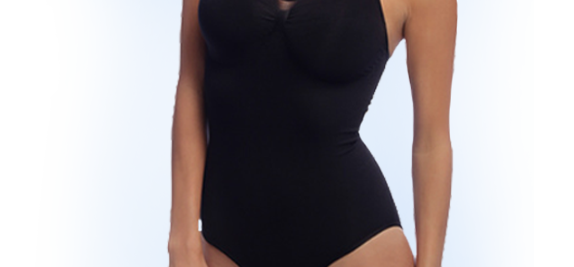
What is abdominoplasty?
Fat build-up and loose skin can make the abdomen look saggy or bloated, affecting appearance, confidence and how clothes fit. Exercises such as sit-ups strengthen muscle and burn some fat, but cannot tighten stretched skin or correct separation of the rectus abdominis muscles (divarication), which is common after several pregnancies.
Abdominoplasty removes excess skin and fat, tightens the muscle layer and can improve skin stretched by pregnancy or weight change. Options include lipo-abdominoplasty (combined with full abdominal liposuction for fat and laxity together), complete abdominoplasty (incision between the hip bones, with the navel repositioned), mini abdominoplasty (for fat and skin below the navel, usually without moving it, typically 1-2 hours), and extended or high-lateral-tension abdominoplasty (combined with a lateral thigh lift).
Good candidates are healthy men and women with well-controlled blood sugar and blood pressure. The scar is placed low, below the bikini line, and fades over time. Preparation includes laboratory tests or a medical evaluation, review of medicines, stopping smoking, avoiding aspirin, anti-inflammatory drugs and herbal supplements, and a pre-anaesthesia check.
Who is abdominoplasty for?
- Women with loose abdominal muscles and skin after one or more pregnancies
- People with lax, stretch-marked skin after major weight loss
- Those with abdominal fat that has not responded to diet and exercise
- Healthy adults with well-controlled diabetes and blood pressure
- Non-smokers, or those willing to stop, at a stable weight
How is it done?
- Performed under general anaesthesia; typically takes 1-5 hours depending on the type
- A low incision is made and excess skin and fat between the navel and pubic area are removed
- The connective tissue over the abdominal muscles is tightened with sutures
- The navel is repositioned through a small incision and stitched in place
- The incision is closed and dressed; a drain and elastic binder are usually applied
What is recovery like?
- An overnight stay may be needed; early walking reduces the risk of blood clots (DVT)
- Walking slightly bent forward for about a week and sleeping with hips bent eases tension on the wound
- Drains, regular dressings and an elastic binder support healing
- Soreness typically lasts a few weeks; strenuous activity is usually avoided for 6 weeks
- Reduced skin sensation in the lower abdomen can last several months
What are the risks?
- Infection, bleeding and fluid collection (seroma)
- Blood clots (deep vein thrombosis)
- Wound-healing problems, especially in smokers
- Scarring, which fades but remains below the bikini line
- Numbness of the lower abdominal skin, usually improving over months
Why choose Dr. Jithendran?
- Dual training in orthopaedics (MS) and plastic surgery (MCh, DNB), with hand and microsurgery experience from Ganga Hospital, Coimbatore
- Consults at five hospitals across Bengaluru, with 24×7 availability for emergencies
- Clear explanations in English, Tamil, Hindi and Telugu, and time to answer every question
- Strict sterilisation and patient-privacy standards
Frequently asked questions
Can a tummy tuck fix muscle separation after pregnancy?
Yes. Separation of the rectus muscles (divarication) is common after pregnancy and does not correct with exercise alone. During abdominoplasty, the surgeon stitches the muscle covering together to tighten the abdominal wall, as well as removing excess skin and fat.
What is the difference between a mini and a full tummy tuck?
A mini abdominoplasty treats skin and fat below the navel through a shorter incision and usually does not move the navel. A full abdominoplasty treats the whole abdomen, tightens the muscles above and below the navel, and repositions the navel. Your anatomy determines which is suitable.
Where will the scar be?
The main scar runs low across the abdomen, usually between the hip bones, so that it can be hidden under underwear or swimwear. There is also a small scar around the navel in a full tummy tuck. Scars are visible at first and typically fade over 12-18 months.
Should I wait until I have finished having children?
It is generally best to complete your family first, because a future pregnancy can stretch the skin and muscles again and reduce the benefit. Reaching a stable weight before surgery also gives a more lasting result.
How long does recovery take?
Most patients walk slightly bent for about a week and return to desk work in around two to three weeks. A binder is worn for several weeks, and strenuous activity is usually avoided for six weeks. Soreness settles over a few weeks.
